s.sheelapndi.
Introduction
Gym equipment plays a crucial role in achieving your fitness goals efficiently. With numerous options available on the market, choosing the right equipment can be overwhelming. This comprehensive guide aims to provide an in-depth understanding of different types of gym equipment, their benefits, and factors to consider while making purchasing decisions.
1.Cardiovascular Equipment
Cardiovascular exercises are essential for improving heart health and burning calories. Here are some popular cardiovascular gym equipment options:
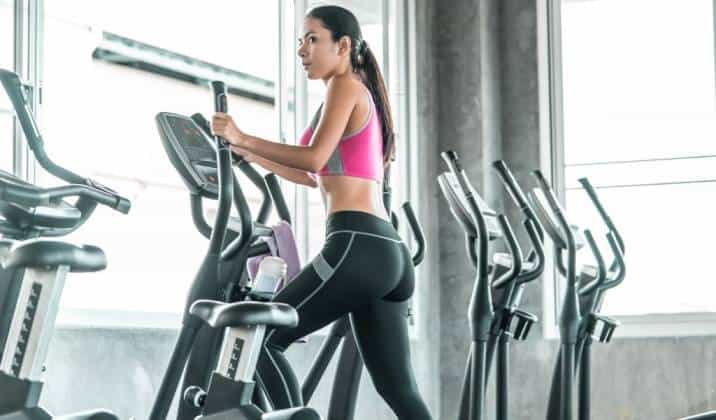
Treadmills: Ideal for walking, jogging, or running, treadmills provide a versatile and effective cardiovascular workout. Look for features like incline settings, cushioned surface, heart rate monitoring, and pre-set workout programs.
Stationary Bikes: Providing a low-impact cardio workout, stationary bikes offer adjustable resistance levels, built-in workout programs, and often come with comfortable seating options.
Elliptical Trainers: These machines simulate walking, running, or climbing stairs without causing excessive stress on joints. Look for features like adjustable resistance, incline settings, and heart rate monitoring.
2.Strength Training Equipment
Strength training helps build muscle mass, increase bone density, and improve overall strength. Here are some common types of strength training equipment:
Free Weights: Dumbbells, barbells, and weight plates allow a wide range of exercises targeting specific muscle groups. Consider investing in a variety of weights to accommodate different strength levels.
Resistance Machines: These machines provide a guided motion while targeting specific muscles. They are suitable for beginners or those recovering from injuries due to their controlled movements.
Power Racks and Smith Machines: Ideal for advanced lifters, these machines offer a safe and controlled environment for exercises like squats, bench presses, and deadlifts.
3.Functional Training Equipment
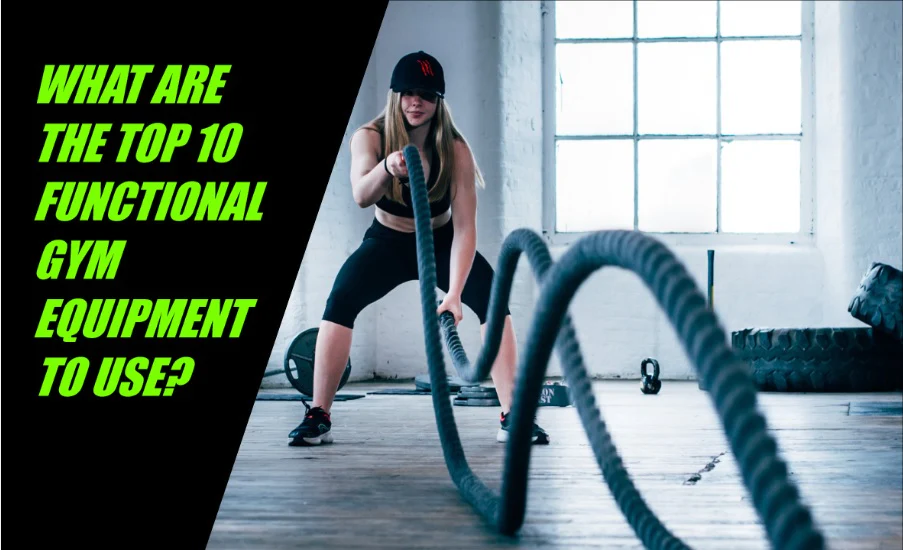
Functional training equipment focuses on improving overall body movements, stability, and flexibility. Some commonly used functional training tools include: