s.sheelapandi.
Mahashivaratri, also known as the Great Night of Shiva, is a significant Hindu festival celebrated with great fervor and devotion. Observed on the 14th day of the dark fortnight in the month of Phalguna (February-March), Mahashivaratri holds immense religious and spiritual importance for devotees of Lord Shiva across the globe. In this article, we will delve into the significance of Mahashivaratri and explore the spiritual thoughts associated with this auspicious occasion.
Mahashivaratri is a time when devotees pay homage to Lord Shiva, the supreme deity of destruction and transformation. It is believed that on this night, Lord Shiva performs the cosmic dance of creation, preservation, and destruction. The festival is marked by fasting, night-long vigils, and various rituals to seek blessings from the divine.
One of the key spiritual thoughts behind Mahashivaratri is the concept of self-realization and awakening. It is believed that by observing this festival with utmost devotion and purity, one can attain spiritual enlightenment. The night-long vigil, known as the ‘jagran,’ symbolizes the continuous effort to stay awake and aware of one’s inner self. It is a time for introspection, meditation, and reflection on the deeper aspects of life.
Mahashivaratri is also an opportunity for devotees to seek forgiveness and let go of their past mistakes and shortcomings. It is believed that Lord Shiva, known as the ‘Destroyer of Evil,’ can absolve one of their sins and grant them liberation from the cycle of birth and death. By surrendering to the divine and seeking forgiveness, devotees aim to cleanse their souls and embark on a path of spiritual growth and transformation.
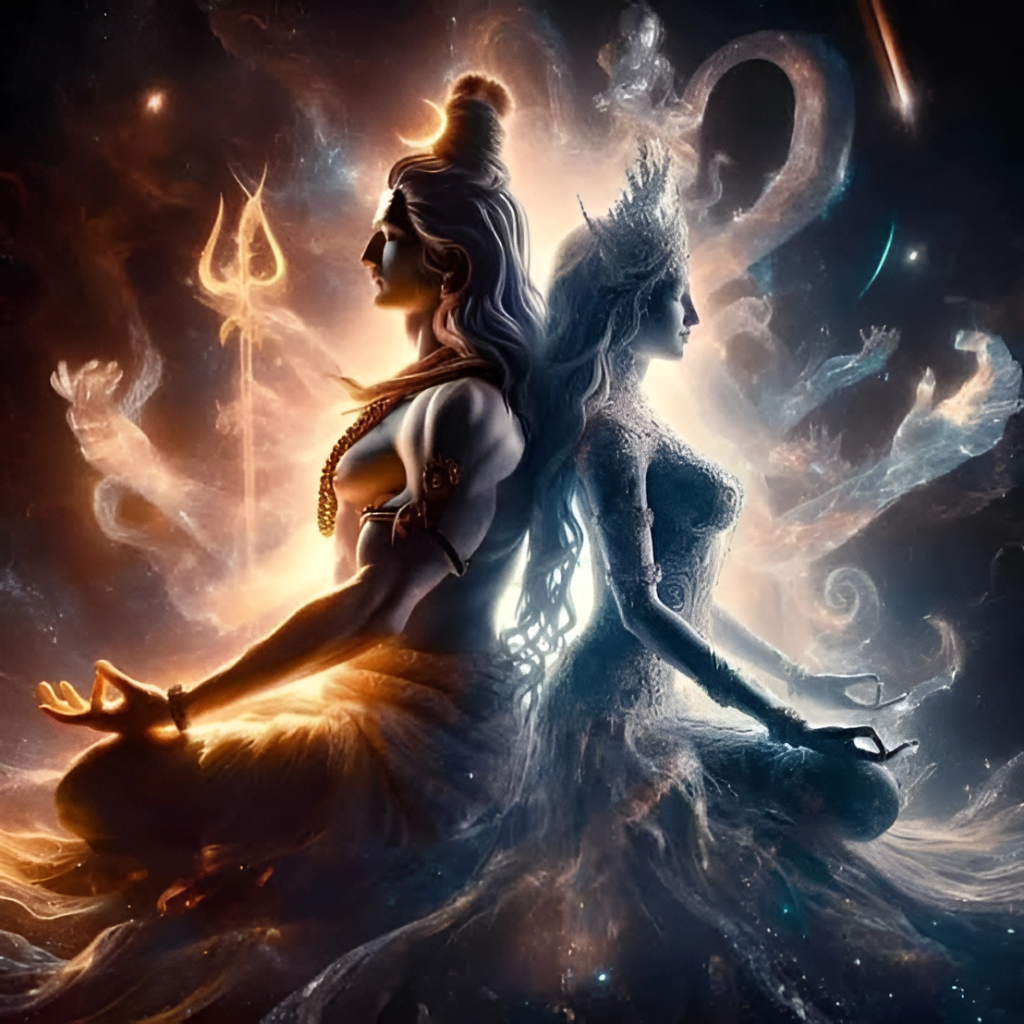
Another spiritual thought associated with Mahashivaratri is the unity of the divine masculine and feminine energies. Lord Shiva is often depicted as Ardhanarishvara, a composite form of both Shiva and his consort, Goddess Parvati. This representation symbolizes the harmonious balance between the masculine and feminine aspects of creation. It reminds us of the importance of embracing both the active and nurturing qualities within ourselves and in the world around us.
The significance of Mahashivaratri extends beyond individual spiritual growth. It is also a time for community bonding and coming together in celebration. Devotees gather in temples, perform group prayers, and engage in devotional singing and dancing known as ‘bhajans.’ This collective participation creates an atmosphere of unity and harmony, reinforcing the idea of a shared spiritual journey.
Furthermore, Mahashivaratri is an occasion to reflect on the impermanence of life and the transient nature of the material world. Lord Shiva’s role as the destroyer signifies the inevitability of change and the need to let go of attachments. This spiritual thought encourages individuals to detach themselves from material desires and focus on the pursuit of inner peace and spiritual fulfillment.
In conclusion, Mahashivaratri is a sacred festival that offers devotees an opportunity for spiritual awakening and growth. It is a time to connect with the divine, seek forgiveness, and reflect on the deeper aspects of life. By observing the rituals and embracing the spiritual thoughts associated with Mahashivaratri, individuals can embark on a transformative journey towards self-realization and enlightenment. Let us cherish this auspicious occasion and embrace the divine energy within us. Happy Mahashivaratri!