S.SHEELAPANDI.
Have you ever wondered why dieting seems like such a daunting task? With all the conflicting information out there, it’s no wonder that many of us feel overwhelmed and confused. But fear not, dear readers, for today we embark on a journey to unravel the mysteries and debunk the myths surrounding popular diets. And what better way to do so than with a touch of humor? So fasten your seat belts and get ready for a laughter-filled adventure!

Myth #1: The “Cabbage Soup Diet” will make you as thin as a cabbage leaf!
Ah, the infamous Cabbage Soup Diet. The mere mention of it is enough to make anyone wrinkle their nose in distaste. While it may promise quick weight loss, let’s face it – who wants to eat nothing but cabbage soup for days on end? Not only will your taste buds revolt, but your body will also miss out on essential nutrients. So, unless you’re aiming to become best friends with your bathroom, it’s best to steer clear of this diet.
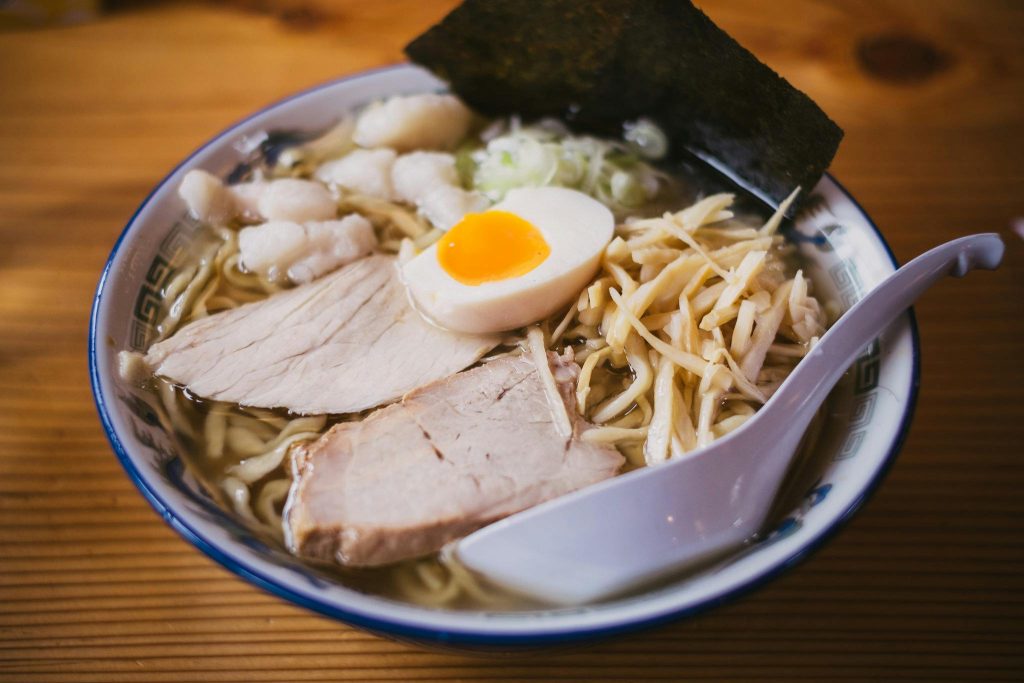
Myth #2: The “Juice Cleanse” will detoxify your body and leave you glowing!
Picture this: you’re sipping on your vibrant green juice, feeling like a health goddess ready to conquer the world. But hold on a minute – is a juice cleanse really the secret to eternal youth and radiant skin? Unfortunately, no. While juicing can be a great way to incorporate fruits and vegetables into your diet, relying solely on juices for days on end can leave you nutrient deficient and hangry (that’s hungry + angry). So, enjoy your juice, but remember to pair it with a balanced diet.
Myth #3: The “Paleo Diet” will transport you back to the caveman era!
Oh, the Paleo Diet – the diet that promises to take you on a culinary journey back to the Stone Age. While it’s true that the Paleo Diet emphasizes whole foods and eliminates processed junk, it’s not necessary to go full-on caveman to achieve a healthy lifestyle. Our ancestors may have had a more active lifestyle, but they also faced different environmental challenges. So instead of obsessing over what our Paleolithic ancestors ate, let’s focus on incorporating more whole, unprocessed foods into our modern lives.