S.SHEELAPANDI.
In the world of fitness, few exercises are as celebrated and versatile as the squat. Whether you’re a seasoned athlete or a beginner, squats are a fundamental movement that can help you build stronger glutes and thighs. This compound exercise not only targets these key muscle groups but also engages your core and lower back, making it an excellent addition to any workout routine. In this blog post, we’ll explore the benefits of squats, discuss different variations, and provide tips to maximize your results. Let’s dive into how squats can help you achieve a stronger, more toned lower body.
The Benefits of Squats
Squats are a powerhouse exercise, and for good reason. One of the primary benefits of squats is their ability to build strength in the glutes and thighs. By engaging these major muscle groups, squats help in developing a more toned and defined lower body. This not only enhances your appearance but also improves functional strength, making everyday activities like walking, climbing stairs, and lifting objects easier.
Another significant advantage of squats is their potential for calorie burning and fat loss. Since squats involve multiple large muscle groups, they require a lot of energy, which helps in burning calories. When performed consistently as part of a well-rounded fitness routine, squats can contribute to a reduction in overall body fat, including stubborn areas around the thighs and hips. This makes them a valuable exercise for those looking to lose weight or maintain a healthy body composition.
Moreover, squats are beneficial for improving flexibility and mobility. The movement requires you to bend at the hips and knees, which stretches the muscles and ligaments around these joints. Over time, regular squatting can increase your range of motion and improve joint health. This is particularly important as we age, as maintaining flexibility and mobility can reduce the risk of injuries and enhance overall quality of life.
Different Squat Variations
There are numerous squat variations that can target different muscles and add variety to your workouts. One popular variation is the back squat, which involves placing a barbell on your shoulders behind your neck. This type of squat primarily targets the glutes, hamstrings, and lower back. It is often considered the standard squat and is a staple in many strength training programs.
Another effective squat variation is the front squat. In this version, the barbell is held across the front of your shoulders, just under your chin. Front squats place a greater emphasis on the quadriceps and require more core stabilization than back squats. This variation can be particularly useful for athletes looking to improve their leg strength and overall athletic performance.
For those who prefer bodyweight exercises or lack access to gym equipment, the goblet squat is an excellent option. In a goblet squat, you hold a weight (such as a dumbbell or kettlebell) close to your chest with both hands. This variation not only targets the lower body muscles but also engages the upper body and core. Goblet squats are a great way to learn proper squat form and can be easily modified by adjusting the weight.
Tips for Maximizing Squat Effectiveness
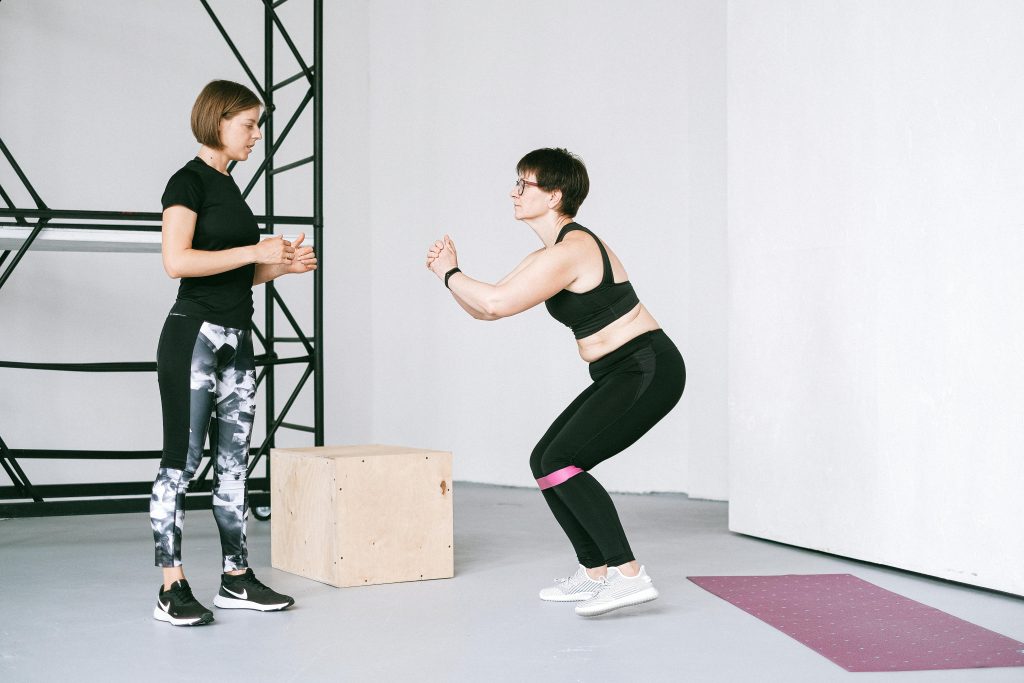
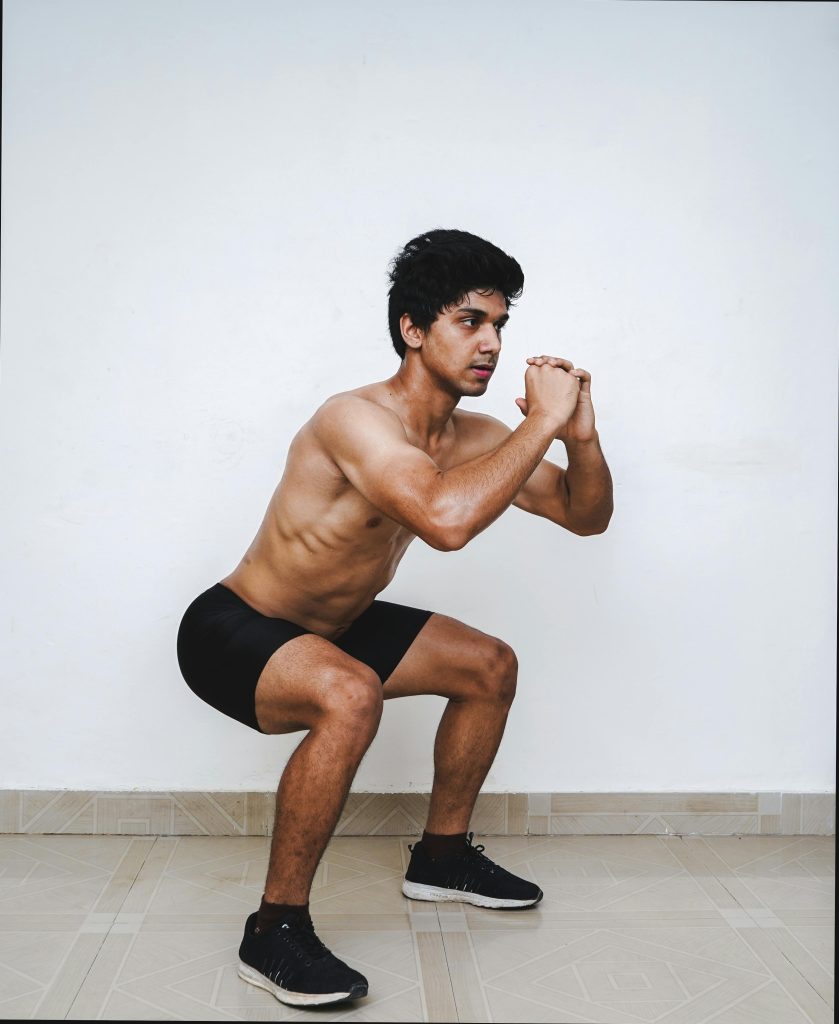
To get the most out of your squats, it’s essential to focus on proper form and technique. As you lower yourself into the squat, keep your chest up, back straight, and knees tracking over your toes. Aim to lower your hips until your thighs are parallel to the ground or lower if your flexibility allows. It’s crucial to avoid letting your knees collapse inward or your heels lift off the ground, as these can lead to injury.
Incorporating progressive overload is another key factor in enhancing squat effectiveness. This means gradually increasing the weight or resistance used in your squats over time. By challenging your muscles with heavier loads, you encourage muscle growth and strength gains. However, it’s important to progress gradually and prioritize safety. Start with a weight that allows you to maintain proper form and add more as you become stronger.
Consistency is vital when it comes to seeing results from squats. Incorporate squats into your regular workout routine, aiming for at least two to three times per week. Vary the types of squats you perform and consider incorporating them into different parts of your workout, such as during warm-ups, strength training sessions, or high-intensity interval training (HIIT) workouts
Suggested Topics for Further Study
Advanced squat techniques and variations
Mobility and flexibility exercises for improving squat form
The benefits of compound exercises in overall fitness
Strategies for injury prevention and recovery in strength training
Related Topics
Leg Day Workouts: Comprehensive routines for building leg strength
Glute Activation Exercises: Techniques to engage the glutes effectively
Core Strengthening Exercises: The importance of a strong core in fitness
Strength Training for Beginners: Getting started with weightlifting
High-Intensity Interval Training (HIIT): Maximizing fat loss and endurance
Squats are a powerful exercise that can transform your lower body strength and overall fitness. By incorporating them into your routine, exploring different variations, and focusing on proper form, you can achieve impressive results. Whether you’re looking to build muscle, burn fat, or improve mobility, squats are an essential component of a balanced fitness regimen.