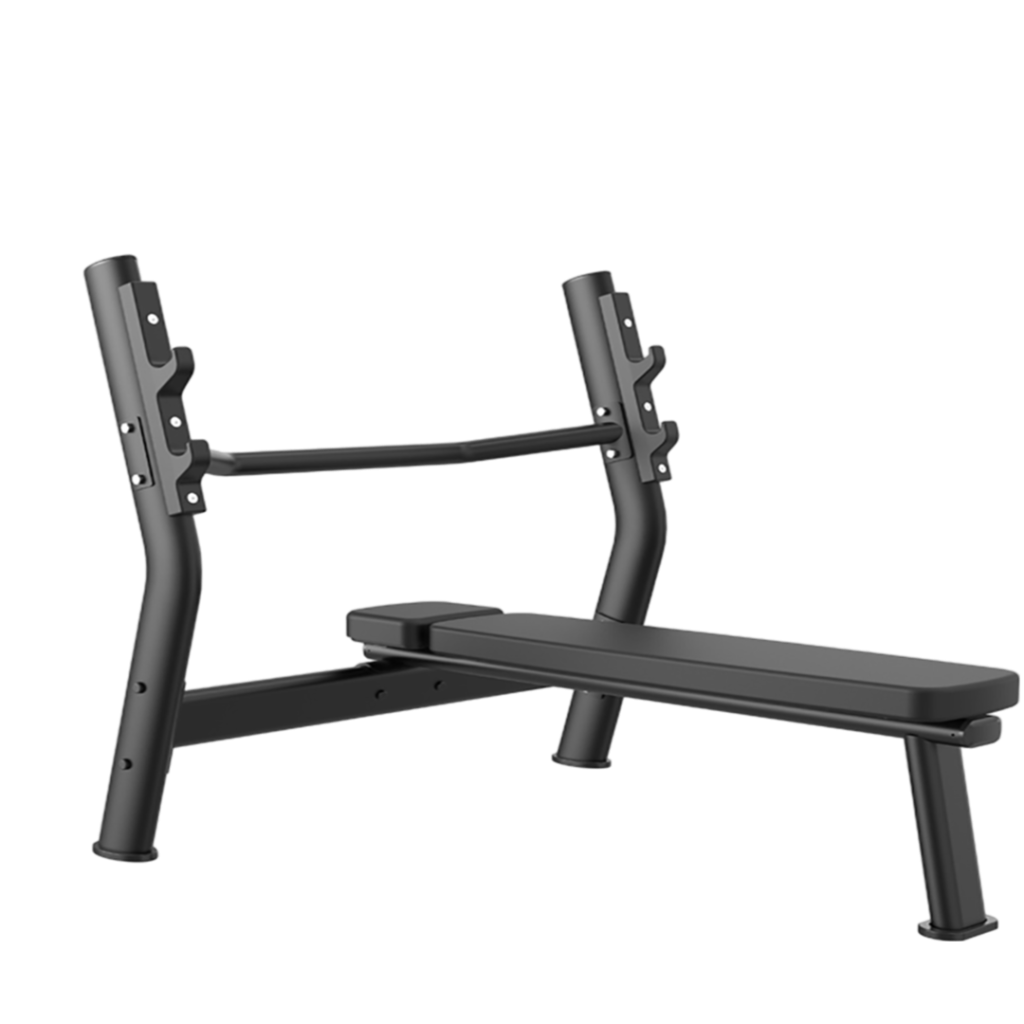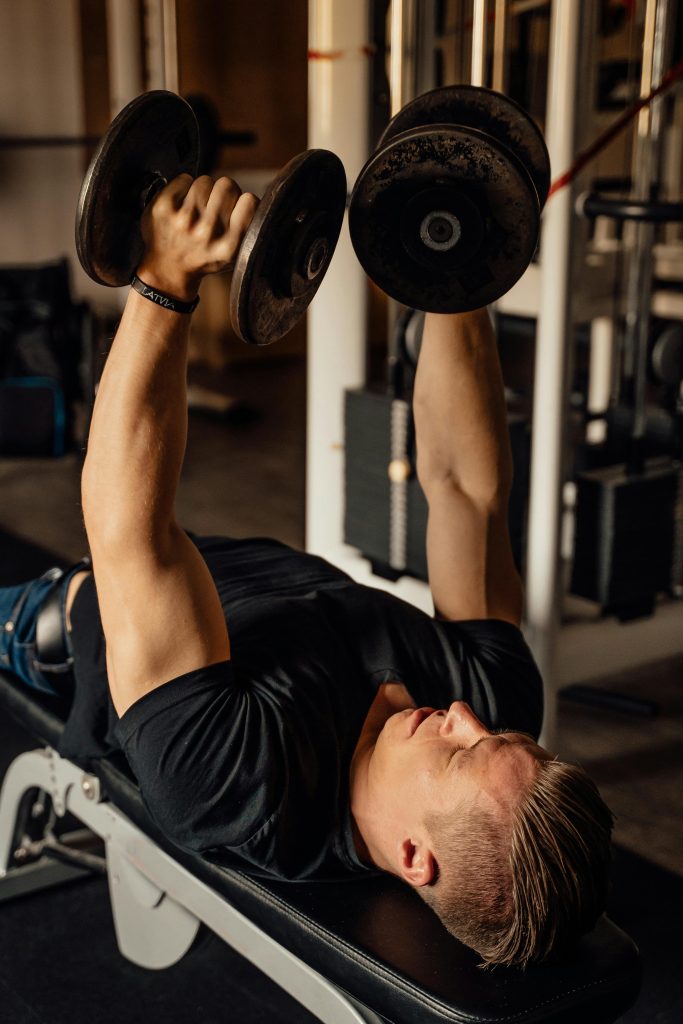
Picture this: you walk into any gym around the world, & what’s the first thing you’ll probably see? Someone lying on their back, pushing heavy weight up toward the ceiling. The flat bench press isn’t just popular by accident – it’s earned its reputation as the KING of upper body exercises. But here’s the thing that might surprise you: most people don’t actually know which muscles they’re working when they bench press. They just lie down, grab the bar, & start pushing without understanding the incredible muscle-building machine they’ve just activated.
The flat bench press is like a symphony orchestra where every muscle has its part to play. Some muscles are the lead singers, belting out the main melody, while others provide the backup vocals that make everything sound perfect. When you understand which muscles are doing what, you can make your bench press STRONGER, safer, & more effective than ever before. This isn’t just about lifting heavier weights to impress your friends (though that’s pretty cool too). It’s about unlocking the full potential of one of the most powerful exercises ever created.
In this ultimate guide, we’re going to dive deep into every single muscle that gets fired up during a flat bench press. We’ll explore the primary movers that do the heavy lifting, the secondary muscles that provide crucial support, & even those sneaky stabilizer muscles that work behind the scenes. By the end of this article, you’ll know exactly how to target each muscle group for maximum strength gains & understand why the bench press deserves its place as a cornerstone exercise in any serious training program.
The PRIMARY Powerhouses: Your Main Muscle Movers
When you’re lying on that bench with the barbell loaded up above your chest, three main muscle groups are doing most of the hard work. These are your primary movers – the muscles that generate the majority of the force needed to push that weight from your chest back up to the starting position. Understanding these muscles is CRUCIAL because they’re the ones that will grow the most & get the strongest from your bench pressing efforts.
The pectoralis major, or your chest muscles, are the absolute stars of the show during a flat bench press. These large, fan-shaped muscles stretch across your entire chest & are responsible for pushing the weight away from your body. Think of them as the engine of your bench press. When people talk about building a bigger chest, they’re mainly talking about developing these muscles. The flat bench press hits your pecs in a way that creates both SIZE & strength, making them work through their full range of motion from the bottom of the press all the way to the top.
Your anterior deltoids, which are the front portions of your shoulder muscles, work as powerful assistants to your chest muscles. These muscles help push the weight forward & upward, & they’re especially active during the first part of the bench press movement when you’re pushing the bar off your chest. Many people don’t realize just how much their front delts contribute to their bench press strength. If your shoulders are weak, your bench press will suffer no matter how strong your chest muscles are.
The triceps brachii, located on the back of your upper arms, are the third member of this powerful trio. These muscles are responsible for extending your elbows & straightening your arms as you push the weight up. During the lockout portion of the bench press (when you’re pushing the bar to full arm extension), your triceps are working INCREDIBLY hard. Strong triceps can make the difference between completing that final rep or getting stuck halfway up. Professional powerlifters often spend just as much time working their triceps as they do their chest muscles because they understand how critical these muscles are for maximum bench press performance.
The SUPPORTING Cast: Secondary Muscle Heroes
While the primary movers grab most of the attention, the secondary muscles in the flat bench press are like the supporting actors in a great movie – they might not get top billing, but the whole production would fall apart without them. These muscles provide essential support, stability, & additional power that allows you to bench press safely & effectively. Ignoring these muscles is like trying to drive a car with three wheels – you might move forward, but you’re not going to get very far.
Your posterior deltoids & middle deltoids play a fascinating role during the bench press. While the front delts are pushing, the rear & middle delts are working to stabilize your shoulder joint & keep everything in proper position. This might seem like a small job, but it’s absolutely VITAL for preventing injury & maintaining good form. When you lower the bar to your chest, these muscles control the descent & help position your shoulders for the most powerful press possible. Many bench press injuries happen because people neglect these stabilizing shoulder muscles.
The serratus anterior muscles, often called the “boxer’s muscles,” are located along the sides of your ribcage & help protract your shoulder blades during the pressing movement. These muscles work with your chest & shoulders to create a stable platform for pressing. When your serratus anterior muscles are weak, you might notice that your shoulders feel unstable during heavy bench pressing, or you might experience that frustrating feeling where you can’t quite lock out the weight properly.
Your latissimus dorsi, the large muscles of your back, might seem like an odd inclusion in a bench press discussion, but they’re actually CRUCIAL for maintaining proper form & generating maximum power. These muscles help control the bar path during the lowering phase & provide a stable foundation against the bench. Think of your lats as the foundation of a house – they might not be visible from the front, but everything else depends on their strength & stability. Professional bench pressers often have incredibly well-developed lat muscles because they understand this connection.
The UNSUNG Heroes: Stabilizer Muscles That Make It All Possible
The stabilizer muscles during a flat bench press are like the crew members working behind the scenes of a Broadway show. The audience never sees them, but without their constant, dedicated work, the whole performance would be a disaster. These muscles might not be moving the weight directly, but they’re working incredibly hard to keep your body in the right position & prevent injury during every single rep you perform.
Your core muscles, including your rectus abdominis, obliques, & transverse abdominis, are working OVERTIME during a proper bench press. These muscles create what’s called “intra-abdominal pressure,” which is like inflating a balloon inside your torso to create a stable platform for pressing. When you take a deep breath & hold it during a heavy bench press rep, your core muscles are contracting to maintain that pressure & keep your spine in a safe, neutral position. Weak core muscles can actually limit your bench press strength because your body won’t allow you to lift more weight than your stabilizing muscles can safely support.
The rhomboids & middle trapezius muscles, located in your upper back between your shoulder blades, work to retract & depress your shoulder blades against the bench. This creates what lifters call “upper back tightness,” & it’s absolutely ESSENTIAL for both safety & performance. These muscles help create a stable shelf for your shoulders to rest on & ensure that all the power from your chest, shoulders, & triceps gets transferred efficiently to the barbell instead of being lost through unnecessary movement or instability.
Your glutes & leg muscles might seem completely unrelated to bench pressing, but experienced lifters know better. These muscles help you maintain proper positioning on the bench & can even contribute to your pressing power through something called “leg drive.” When you plant your feet firmly on the ground & engage your glutes & leg muscles, you create a chain of stability that runs from your feet all the way up to your hands on the barbell. This total-body tension is what separates good bench pressers from GREAT bench pressers.
Maximizing Your Strength Gains: Putting It All Together
Now that you understand the incredible complexity of muscles working during a flat bench press, the question becomes: how do you use this knowledge to build serious strength? The answer lies in training each of these muscle groups strategically & understanding how they work together as a complete system. This isn’t about just randomly adding more exercises to your workout – it’s about creating a targeted approach that addresses every link in your bench press chain.
For your primary movers, focus on progressive overload with the flat bench press itself, but don’t neglect accessory exercises that target these muscles from different angles. Incline presses can help develop the upper portions of your chest & front delts, while close-grip bench presses place extra emphasis on your triceps. Dumbbell presses allow for a greater range of motion & can help address any strength imbalances between your left & right sides. The key is CONSISTENCY & gradually increasing the challenge over time.
Your secondary & stabilizer muscles need attention too, but they respond well to higher repetition work & exercises that challenge stability. Face pulls, rear delt flyes, & rows will strengthen your posterior delts & upper back muscles. Planks, dead bugs, & other core exercises will build the stability you need for heavy pressing. Don’t make the mistake of thinking these exercises are less important just because they use lighter weights – they’re the foundation that allows your primary movers to reach their full potential.
Remember that recovery is just as important as the training itself. Your muscles grow & get stronger during rest, not during the workout. Make sure you’re getting adequate sleep, proper nutrition, & allowing enough time between intense bench press sessions for your muscles to recover & adapt. PATIENCE is crucial here – strength gains take time, but they’re incredibly rewarding when you stay consistent with your approach.
Your Journey to Bench Press MASTERY Starts Now
Understanding the target muscles of the flat bench press is like having a roadmap to your strength training destination. You now know that your chest, front delts, & triceps are the primary drivers of your bench press power, while your rear delts, lats, serratus anterior, core, & even your legs & glutes all play crucial supporting roles. This knowledge isn’t just interesting trivia – it’s practical information you can use to build a stronger, more impressive bench press starting with your very next workout.
The beauty of the flat bench press lies in its simplicity & effectiveness. It’s an exercise that can grow with you throughout your entire training career, from your first tentative attempts with just the barbell to potentially pressing hundreds of pounds as you develop your strength & technique. Every single rep you perform is an opportunity to strengthen this incredible network of muscles working together in perfect harmony.
But knowledge without action is worthless. Take what you’ve learned here & apply it to your training. Focus on proper form to ensure all these muscles are working correctly. Add accessory exercises that target your weak points. Pay attention to how your body feels during different parts of the movement, & you’ll start to notice these different muscle groups engaging exactly as we’ve discussed.
Your bench press journey is unique to you, but now you have the understanding to make it as effective as possible. Whether your goal is to bench press your bodyweight, hit a new personal record, or simply build a stronger, more muscular upper body, you now have the knowledge to make it happen. The only question left is: when will you start putting this knowledge into action? Your stronger, more powerful bench press is waiting for you – all you have to do is grab that barbell & begin.