Imagine you step into the gym, feel that rush of energy, and grab the right tools to sculpt a stronger body. You push through squats that build massive legs or press weights that carve defined shoulders. With the best gym equipment matched to your aims, like packing on muscle or boosting stamina, your gains skyrocket fast.
Picking gear based on what you want—say, raw power for lifting heavy or endurance for long sessions—cuts out guesswork. It helps you dodge traps like hitting a wall in progress or grabbing the wrong stuff that wastes time. This guide breaks down top categories of strength training equipment. You’ll get clear tips to pick what fits your needs and unlock your full power.
Understanding Your Strength Training Goals
Identifying Key Fitness Objectives
Strength goals come in many forms. You might chase hypertrophy to grow bigger muscles, or aim for pure strength to lift heavier loads. Power work helps you explode in sports, while endurance keeps you going strong over time.
Start by checking your own stats. Track how much you lift now, or measure your body fat and muscle with a simple scale. The American College of Sports Medicine suggests setting SMART goals—specific, measurable, achievable, relevant, and time-bound—to stay on path.
Think about why you train. Do you want to look toned for the beach, or get ready for a big hike? Jot down your top three aims. This self-check guides your equipment picks without overwhelming you.
Matching Equipment to Goal Types
Your aims shape what tools you need. For powerlifting, grab free weights that let you do big moves like deadlifts. Bodybuilders often pick machines to hit one muscle at a time with control.
Versatile gear works for mixed goals. A set of dumbbells can switch from light reps for endurance to heavy ones for growth. Beginners, try a quick test: Do a few workouts and note what feels best, then adjust your kit.
Journal your sessions for a week. See which tools spark joy and results. Over time, this refines your setup to match shifts in your fitness path.
Common Mistakes in Goal-Equipment Alignment
Many folks mess up by sticking to cardio bikes when they crave strength. That builds heart health but skips muscle gains. Or they skip recovery items, leading to sore days that halt progress.
Progressive overload—adding weight or reps slowly—fuels any plan. Ignore it, and you stall. Audit your gear now: List your goals, then match tools to them.
Chat with a certified trainer if stuck. They spot gaps, like missing a rack for safe lifts. Small tweaks keep you injury-free and on track.
Essential Free Weights for Building Raw Power
Barbells and Their Versatile Applications
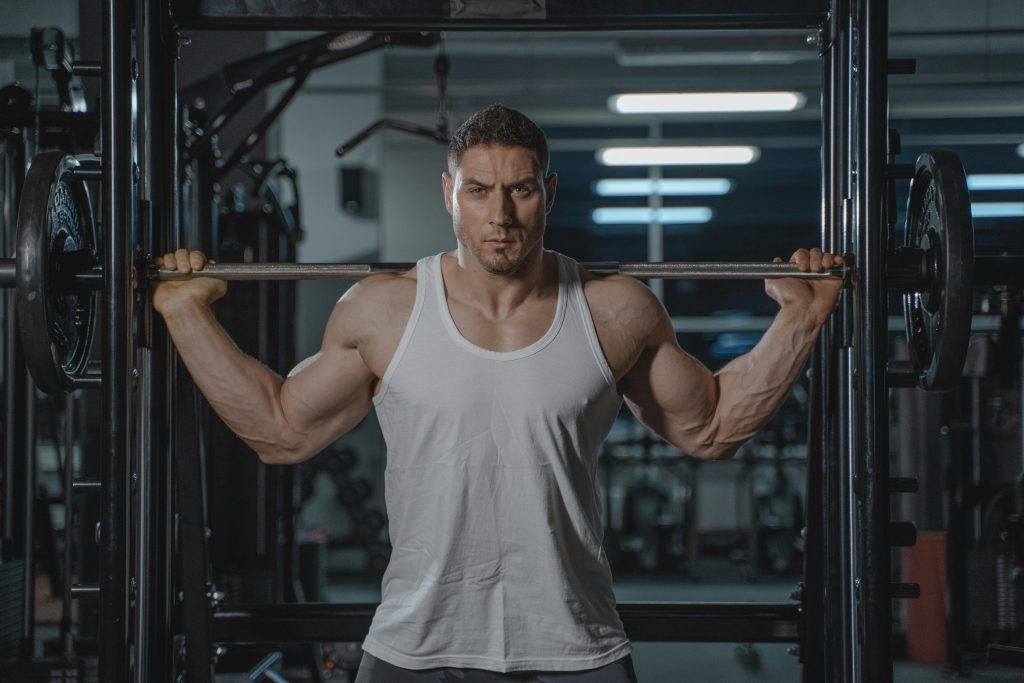
Barbells stand as kings of strength gear. They shine in compound lifts that hit many muscles at once, like squats for legs and core or bench presses for chest and arms. Olympic training loves them too, for cleans that build speed and force.
Keep form tight to stay safe—feet shoulder-width, back straight. Add bumper plates if you drop weights in dynamic moves; they bounce and save your floor. Start with a basic 45-pound bar if new, then load up as you grow stronger.
Scale for your level: Beginners use empty bars for practice, pros stack plates for max efforts. This tool adapts to power goals like no other.
Dumbbells for Unilateral Strength Training
Dumbbells fix muscle gaps by working one side at a time. Try lunges to build steady legs or shoulder presses for even upper body power. Adjustable sets let you tweak weight on the fly.
They suit toning or heavy lifting. A 5-to-50-pound pair starts light for newbies, ramps up for vets. Store them on racks to keep your space tidy in a home gym.
Go slow on reps to feel the burn. Pair them with mirrors to check balance. This gear turns weak spots into strengths fast.
Kettlebells for Functional Power and Grip
Kettlebells pack a punch for swings that fire up hips and glutes. Turkish get-ups boost full-body control and grip that lasts. They mix strength with real-life moves, great for athletes.
Pick based on skill: 8kg for starters, 16kg for middles. Swing them in short HIIT blasts to blend endurance and power. Grip tightens over time, helping daily tasks like carrying groceries.
Add them to routines twice a week. Feel the core engage as you move. This tool turns workouts into fun challenges.
Machine-Based Equipment for Controlled Muscle Targeting
Cable Machines for Multi-Angle Resistance
Cable machines pull steady tension through every rep. Rows strengthen your back from new angles, while flyes sculpt chest with ease. They’re gold for muscle growth or rehab after tweaks.
Adjust the pulley high or low to hit spots like triceps or abs. Swap attachments—a rope for pulls, a bar for presses—to match your focus. All levels love the smooth glide.
Keep elbows in on pulls to protect joints. Use them three times weekly for balanced gains. This setup feels fresh every session.
Smith Machines for Safe Heavy Lifting
Smith machines guide the bar on rails, cutting wobble for solo heavy days. Bench safely to grow your chest, or squat with less fear of tipping. It lowers injury odds in home or busy gyms.
Mix with free weights to keep stabilizers sharp—don’t lean too hard on the track. Aim for 8-10 reps to build strength without burnout. Pros use it for quick warm-ups.
Spot yourself with pins set right. This tool lets you push limits confidently. Great for goals like bigger arms or legs.
Leg Press and Hack Squat Machines for Lower Body Focus
Leg presses load up quads and glutes without stressing your back. Hack squats add a twist for deeper muscle work. Both fit high-rep days in strength plans.
Shift foot spots: High on the plate hits hamstrings, low blasts quads. Start light to nail form, then pile on plates. Athletes dig them for jump power.
Do 3 sets of 12 for growth. Rest a minute between. They transform leg days into power builders.
Accessory and Recovery Tools to Maximize Gains
Resistance Bands for Progressive Assistance
Bands stretch to add pull in warm-ups or help with pull-ups. Loop them for mobility drills that loosen tight hips. They aid bodyweight goals, like easier dips for newbies.
Grab a kit with light to heavy bands. Travel with them rolled up—no gym needed. Use for 10-minute pre-work sessions to prime muscles.
They build as you do: Start assisted, go solo. This keeps progress steady on the go.
Foam Rollers and Stability Tools for Recovery
Rollers knead sore spots for self-massage that speeds healing. Balance boards sharpen core for better lifts and fewer falls. Both fight injuries in busy training.
Roll quads five minutes after workouts—feel knots melt. Wobble on boards daily for 2 minutes to steady your stance. Core strength ties into every goal.
Pair with rest days. This duo keeps you fresh and strong long-term.
Weight Benches and Racks for Versatile Setup
Benches tilt for inclines that target upper chest or flats for basics. Racks hold bars safe, letting you squat heavy alone. Adjustable ones fit any space.
Pick foldable for home if tight on room. Budget under $200 for starters. They support presses, rows—endless options.
Set height right for clean lifts. This base turns chaos into solid routines.
Integrating Equipment into a Goal-Oriented Routine
Creating a Balanced Workout Plan
Build sessions around key tools, like free weights on push days. Follow a push-pull-legs split: Chest and tris one day, back and bis next. Cover all aims without overload.
Track with a phone app—log reps, weights, how you feel. Give 48 hours between hard hits for muscles to mend. Add cardio light if endurance calls.
Tweak weekly based on energy. This plan keeps gains rolling smooth.
- Push Day: Bench on Smith, cable flyes—3 sets each.
- Pull Day: Barbell rows, band pulls—focus back.
- Legs Day: Leg press, kettle swings—build below.
Scaling Equipment for Beginners to Advanced Users
New folks ease in with bodyweight or light dumbbells. Do 3 sets of 8-12 reps on basics like presses. As strength grows, add 5 pounds or reps to climb.
Vets load racks for 4-6 heavy reps. Modify: Bands help beginners pull more, pros drop them for pure grind. Hit milestones like your first 100-pound squat.
Listen to your body—scale slow. This path suits any level to peak form.
Home vs. Commercial Gym Considerations
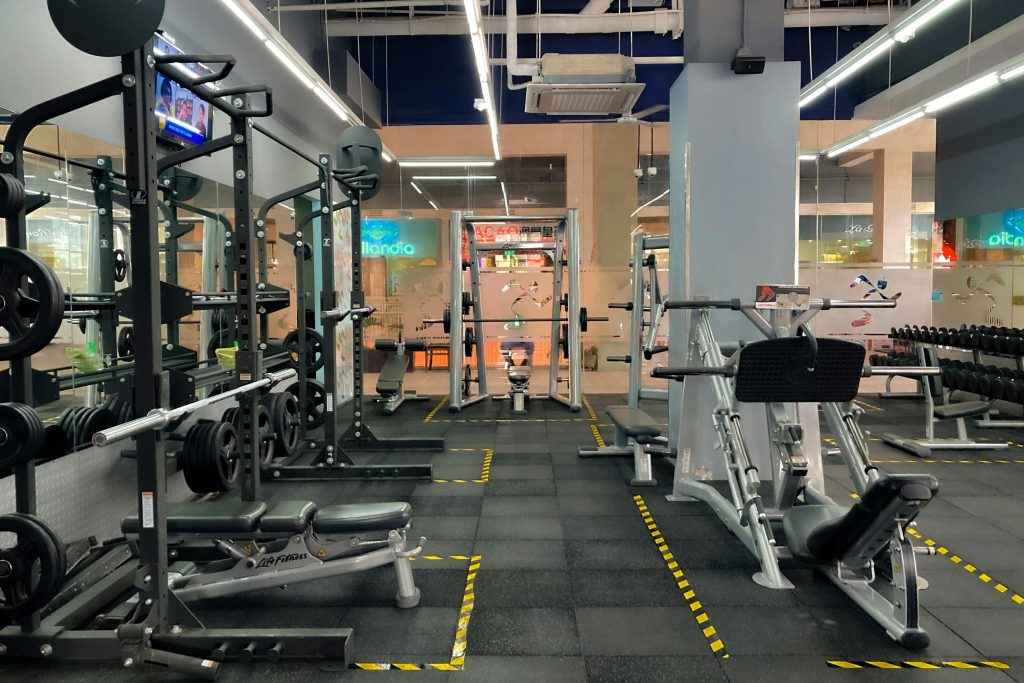
Home setups shine with compact picks like dumbbells for quick strength hits. No drive time means more consistency. Full gyms offer machines for variety, like cables you can’t store easy.
Budget smart: $300 gets starter free weights home. Save space with wall racks. Gyms cost monthly but pack pro tools.
Hack it: Buy used on apps for deals. Pick what fits your spot and wallet.
Conclusion
Aligning gym equipment with your goals changes everything. Free weights unleash raw power for lifts, while machines carve precise muscle. Add recovery tools to sustain it all.
Key steps: Check your aims first, grab versatile gear, weave in rest, and log every win. You’ll dodge pitfalls and see real change.
Grab that barbell or band today. Build your setup right, and watch strength pour out. Your best self waits—go claim it.