Introduction to Bodyweight Workouts
Bodyweight workouts are among the most versatile and accessible forms of exercise. They use your own body as resistance, eliminating the need for heavy equipment or gym memberships. Whether you’re a beginner or a seasoned athlete, incorporating bodyweight exercises into your fitness routine can help you build strength, improve flexibility, and boost endurance—all from the comfort of your home.
In this ultimate guide, we’ll break down the benefits of bodyweight training, provide a variety of exercises for every fitness level, and offer tips to maximize your results.
H2: Why Choose Bodyweight Workouts?
H3: Accessible Anytime, Anywhere
Bodyweight workouts require no special equipment. You’re starting a statement about something suitable for people with busy schedules or limited gym access. Could you clarify or complete the sentence? Are you referring to an exercise routine, equipment, or another concept? Whether you’re at home, traveling, or in a park, you can perform a full-body workout with just a few square feet of space.
H3: Cost-Effective Fitness Solution
Skipping expensive gym memberships or home gym setups, bodyweight exercises are free and sustainable. They’re an excellent option for anyone looking to stay fit without breaking the bank.
H3: Build Functional Strength
Bodyweight training emphasizes natural movements, improving functional strength and balance.
H2: Benefits of Bodyweight Workouts
H3: Improves Core Strength
Begin each session with a warm-up, such as light jogging or dynamic stretches, to increase blood flow and reduce the risk of injury.” Moves like planks and mountain climbers are especially effective at targeting this area.
H3: Enhances Flexibility and Mobility
Dynamic stretches and yoga-inspired movements in bodyweight routines improve joint mobility and flexibility. This is crucial for overall physical health and injury prevention.
H3: Boosts Cardiovascular Health
High-intensity bodyweight circuits, such as burpees or jumping jacks, elevate your heart rate, providing an excellent cardiovascular workout.
H3: Customizable and Scalable
Bodyweight exercises are easily adjustable to your fitness level. By modifying angles, reps, or adding tempo changes, you can increase or decrease intensity.
H2: Essential Bodyweight Exercises
H3: Upper Body
H4: Push-Ups
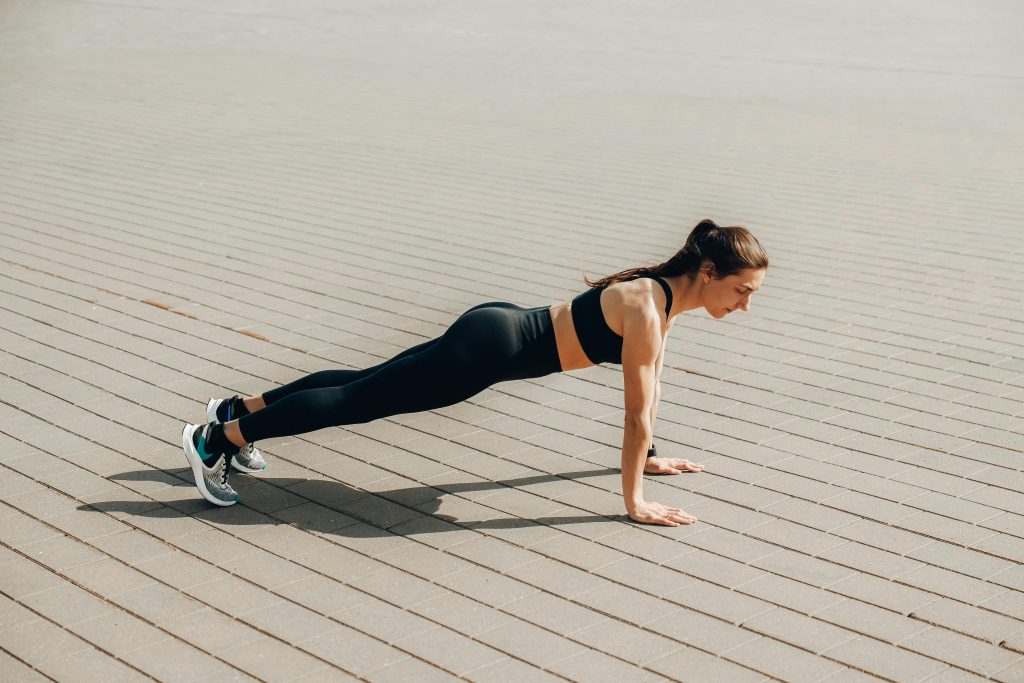
Push-ups target your chest, shoulders, and triceps. Variations like incline push-ups or diamond push-ups allow for progression as you build strength.
H4: Dips
Using a sturdy surface like a chair or parallel bars, dips focus on your triceps, shoulders, and chest.
H3: Lower Body
H4: Squats
Squats are the cornerstone of lower-body training, working your glutes, quads, and hamstrings. Variations include sumo squats and pistol squats for added challenge.
H4: Lunges
Lunges enhance balance and strengthen the legs. Try forward, reverse, or lateral lunges for variety.
H3: Core
H4: Planks
Planks are a full-body exercise emphasizing core engagement. Side planks and dynamic planks add an extra layer of difficulty.
H4: Bicycle Crunches
This move targets the rectus abdominis and obliques, helping you achieve a strong, defined core.
H3: Full-Body Movements
H4: Burpees
Burpees are the ultimate calorie burner, combining strength and cardio in one intense move.
H4: Mountain Climbers
These mimic a running motion, engaging your core while providing a cardiovascular boost.
H2: Creating a Bodyweight Workout Plan
H3: Beginner Routine
Push-ups: 3 sets of 10 reps
Bodyweight Squats: 3 sets of 15 reps
Plank: 3 sets of 20 seconds
H3: Intermediate Routine
Diamond Push-ups: 3 sets of 15 reps
Jump Squats: 3 sets of 12 reps